What Does The Curtain Wall Surface Imply To Building And Construction Tasks?
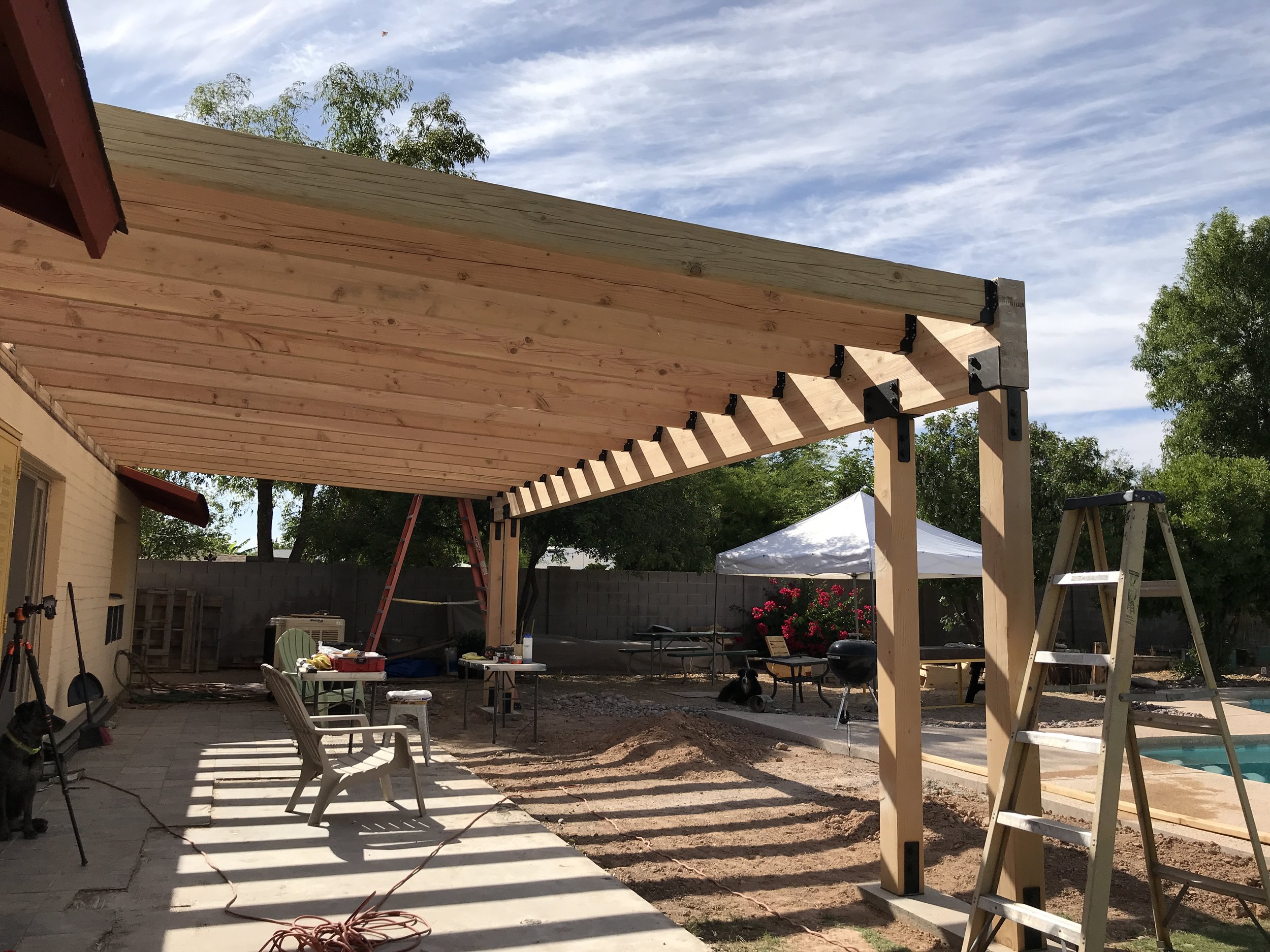
Appropriate Detailing And Construction Of A Concealed Roofing System Modern Level Roof
If you think that mounting a drape wall cladding system is the best instructions to take your task in, you might be asking how they will be fitted into your structure's framework. A curtain wall is a non-structural exterior wall that is used to confine a building. It serves to shield the structure from the aspects and keep the residents inside. A mask requires a stringent thermal insulation feature to lower power intake and CO2 exhausts- shielding materials in each nontransparent and clear area. Mullions are the upright splittings up and transoms are the straight splittings up, however there are several combinations Visit this site of drape walls, occasionally a single panel is considered a drape wall.
Spandrel areas must have non-combustible insulation at the interior face of the curtain wall. Some building ordinance need the mullion to be wrapped in heat-retarding insulation near the ceiling to stop the mullions from melting and spreading out the fire to the floor over. The firestop at the perimeter piece edge is taken into consideration a continuation of the fire-resistance rating of the flooring slab. This creates a quandary as compartmentalization (fire security) is normally based upon closed compartments to prevent fire and smoke migrations beyond each engaged compartment. A curtain wall surface by its actual nature prevents the completion of the compartment (or envelope).
One major advantage of unitized drapes is that they can be "put together" from prefabricated components which makes erection quick and very easy without needing to produce on-site. Normally, such systems are constructed making use of proprietary systems offered by specialized steel makers. Building envelopes typically use drape wall surfaces, a sort of light-weight, non-loadbearing exterior cladding which are attached to a mounted structure to create a complete exterior sheath. They support just their very own weight and wind loads, which are moved using connectors at flooring degrees to the primary structure. Weatherproofing products are crucial for making certain drape wall surfaces last long and do well in building tasks.Drape wall surfaces are an outer layer of a structure that is made use of to confine the structure. A drape wall can be made up of glass, steel paneling, or an additional product that permits light to go through it. Nonetheless, only counting on daylight to adequately illuminate particular tasks necessitates thorough factor to consider of numerous variables. Window size, positioning, and determined daylight variables all come into play in guaranteeing appropriate and proper all-natural light circulation for devoted workspace. Drape wall stamina hinges on the rigidness of its vertical mullions and their protected anchorage to the structure structure. Glazing beads and compressible materials better enhance resilience versus wind damage by enabling panels to move separately within the system, reducing anxiety on the overall structure.
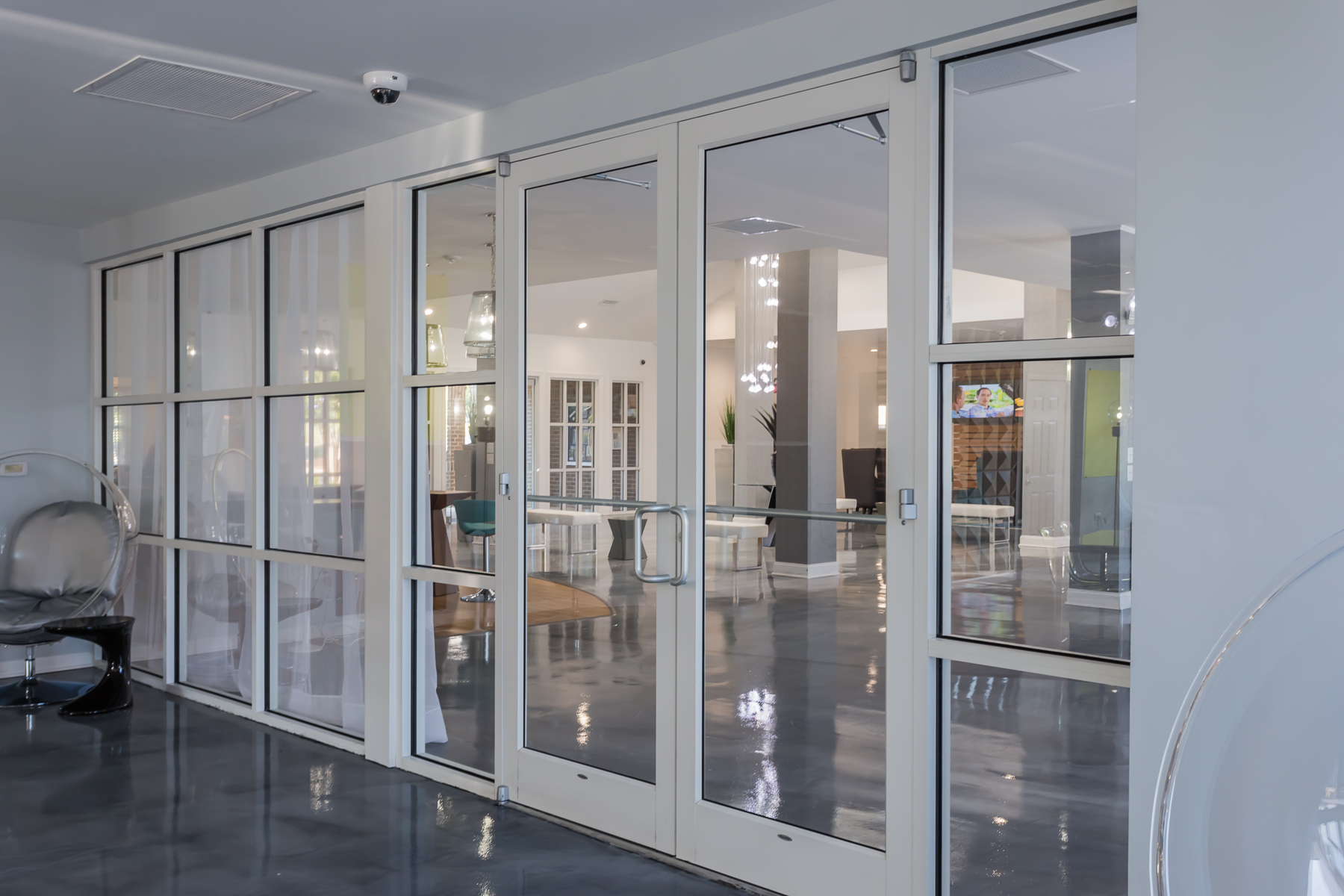
Repair And Maintenance Of Drape Wall Surface Systems
- Rain, wind, and temperature adjustments can all impact exactly how well these non-structural structure units stand up gradually.They are usually constructed from light-weight materials such as glass, light weight aluminum, or steel, enabling large stretches of clear frontage that flood the interior spaces with natural light.Structure styles that adopt these modern technologies not just fulfill current needs however are additionally prepared for progressing guidelines.In addition, these systems can be made to optimize natural ventilation, more minimizing reliance on mechanical cooling and heating systems.
They are generally made from light-weight but robust materials, which we will certainly discuss in the complying with sections. Unlike various other structure products, a curtain wall system is thin and lightweight, generally aluminum and glass. These wall surfaces are not structural, and by design, they are only able to bring their very own weight, while moving the load of wind and gravity to the structure of the building. The design makes it air and water immune, to ensure that the inside of the building remains closed. By meticulously picking infill choices such as glass walls or metal panels, designers can create aesthetically striking structures that fulfill efficiency criteria necessary for contemporary building tasks.
Downsides Of Curtain Wall Building
Today's drape wall systems can lower a normal structure's heating needs by 40.8 percent! Curtain wall surface systems diminish the infiltration of UV rays right into a structure's interior area, which is a health and wellness advantage for the owners of the building. Stick-built systems use customization and layout adaptability yet require more on-site labor. Unitized systems offer faster setup and far better quality assurance but have constraints in layout alternatives. Point-supported systems supply distinct looks and large openness yet call for thorough engineering and setup.
On the whole, curtain wall surface building and construction uses a variety of benefits, consisting of enhanced aesthetic appeals, improved energy performance, enhanced natural light, style adaptability, and potential price savings. By including curtain wall surfaces right into building style, designers and programmers can create visually enticing and lasting structures that fulfill the demands of both owners and the setting. A curtain wall surface is a sort of non-structural, big building facade made from lightweight products such as aluminum, steel, vinyl, glass and other systems like unitized drape walls. It is often made use of to give insulation versus wind, rain, snow and various other aspects while offering windows and doors for ventilation. They additionally produce a cosmetically pleasing look while improving the general visual appeal of a building.
In the unitized curtain wall surface system, the private parts will be set up in the manufacturing facility itself. These parts are installed and brought as a single unit from the manufacturing facility to the site. The dimension of this type of curtain wall is straight symmetrical to the floor-to-floor elevation of the building structure. Therefore, unless the building is sprinklered, fire might still take a trip up the drape wall, if the glass on the exposed floor is smashed from warmth, triggering fires to lick up the outside of the structure. Infill refers to the large panels that are inserted right into the curtain wall in between mullions. Infills are commonly glass Go to this site but might be composed of nearly any type of exterior building aspect.